Seeing BLS, ACLS, and PALS listed beside each other can make course selection confusing, especially if you are starting a healthcare program, changing clinical roles, or renewing credentials in Berkeley, CA. Although all three are healthcare-focused resuscitation courses, they prepare providers for different levels of care and different patient situations.
The simplest distinction is this: BLS covers foundational CPR and basic life support, ACLS addresses advanced adult cardiovascular emergencies, and PALS focuses on serious emergencies involving infants and children. Some healthcare professionals need only BLS, while others may need BLS plus ACLS, PALS, or both advanced courses depending on their responsibilities. The safest approach is to match the exact course requested by your employer, clinical site, school, or licensing organization.
Key Takeaway: BLS, ACLS, and PALS are not three versions of the same certification. BLS provides the core resuscitation foundation, while ACLS and PALS prepare healthcare professionals for more advanced adult or pediatric emergencies.
BLS Is the Foundation of Professional Resuscitation Training
Basic Life Support, or BLS, is usually the starting point for healthcare professionals who may need to perform CPR as part of their work. The American Heart Association identifies healthcare professionals, trained first responders, and students enrolled in healthcare training programs as the primary audience for the BLS Provider Course.
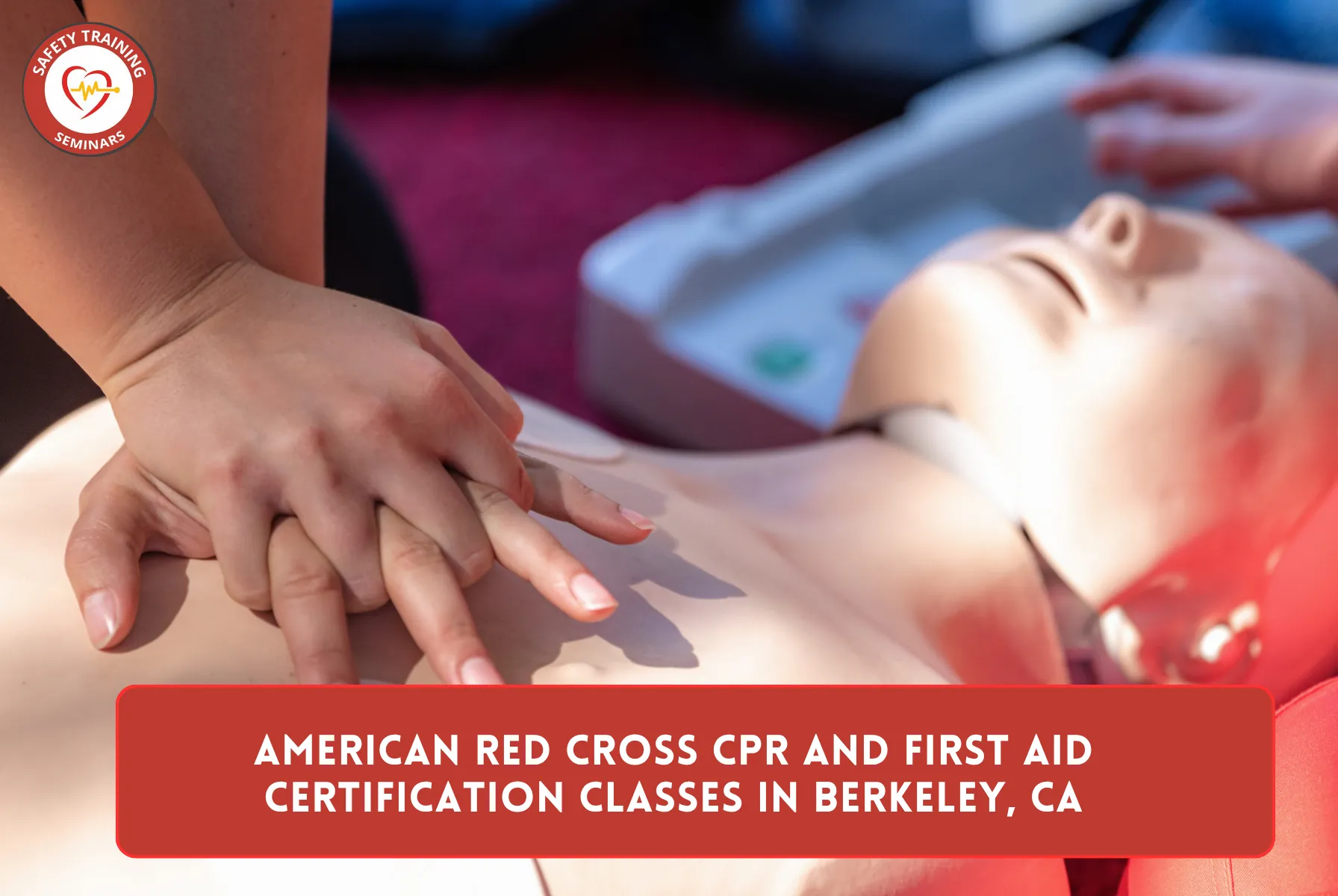
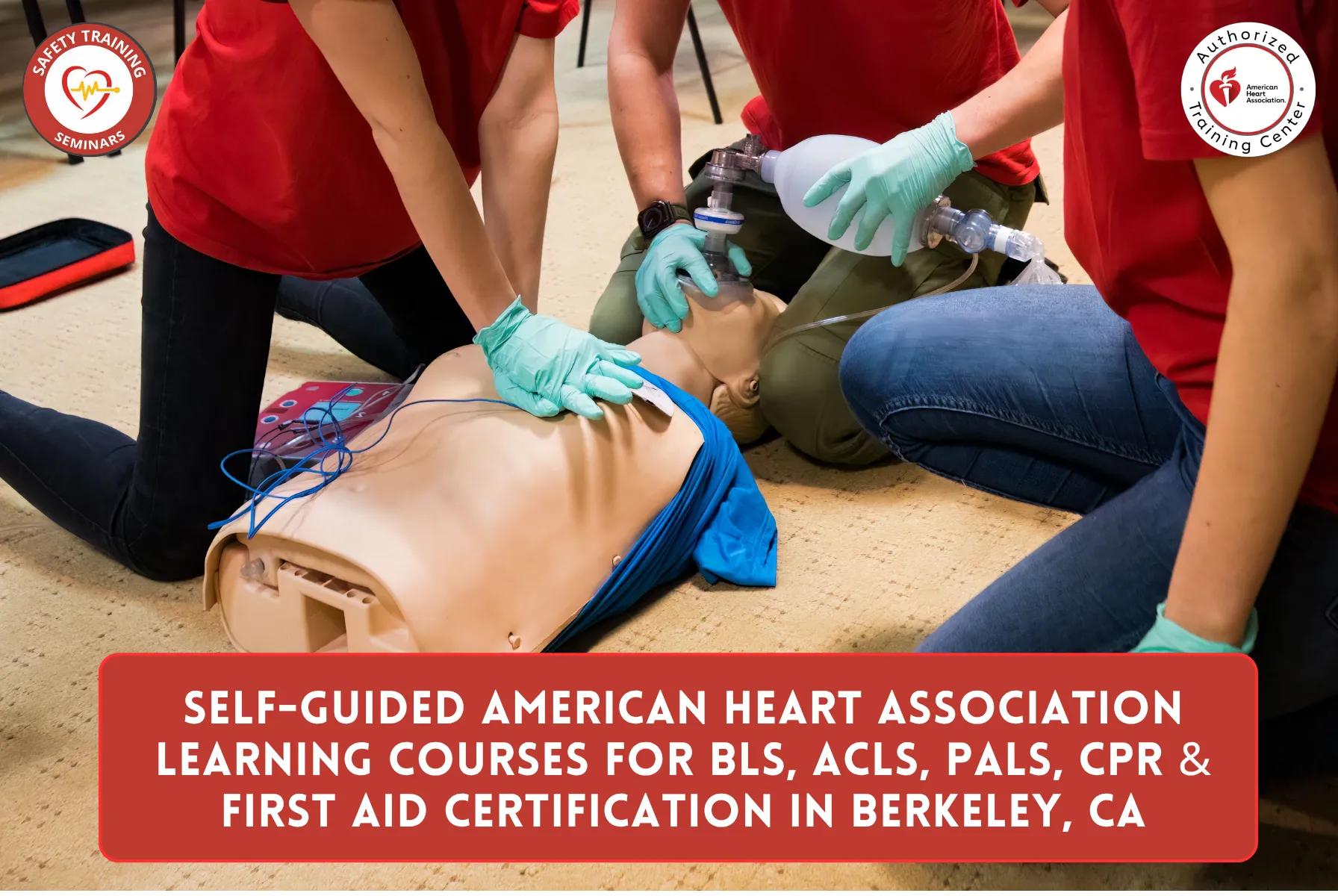
A BLS CPR Certification Course develops skills used during cardiac arrest and other life-threatening situations. Training includes high-quality CPR, AED use, ventilation skills, and both single-rescuer and team-based response. The emphasis is on performing those basic interventions effectively in healthcare and prehospital environments.
For example, a nursing student beginning clinical placement may be asked for BLS even though that student does not yet need ACLS. A dentist, medical assistant, EMT, nurse, or another patient-care professional may also have BLS requirements based on the setting in which they work.
The important point is that BLS should not automatically be replaced by a general community CPR course. If your paperwork specifically says “AHA BLS Provider,” confirm that you are enrolling in that exact type of training.
ACLS Goes Beyond CPR for Adult Cardiovascular Emergencies
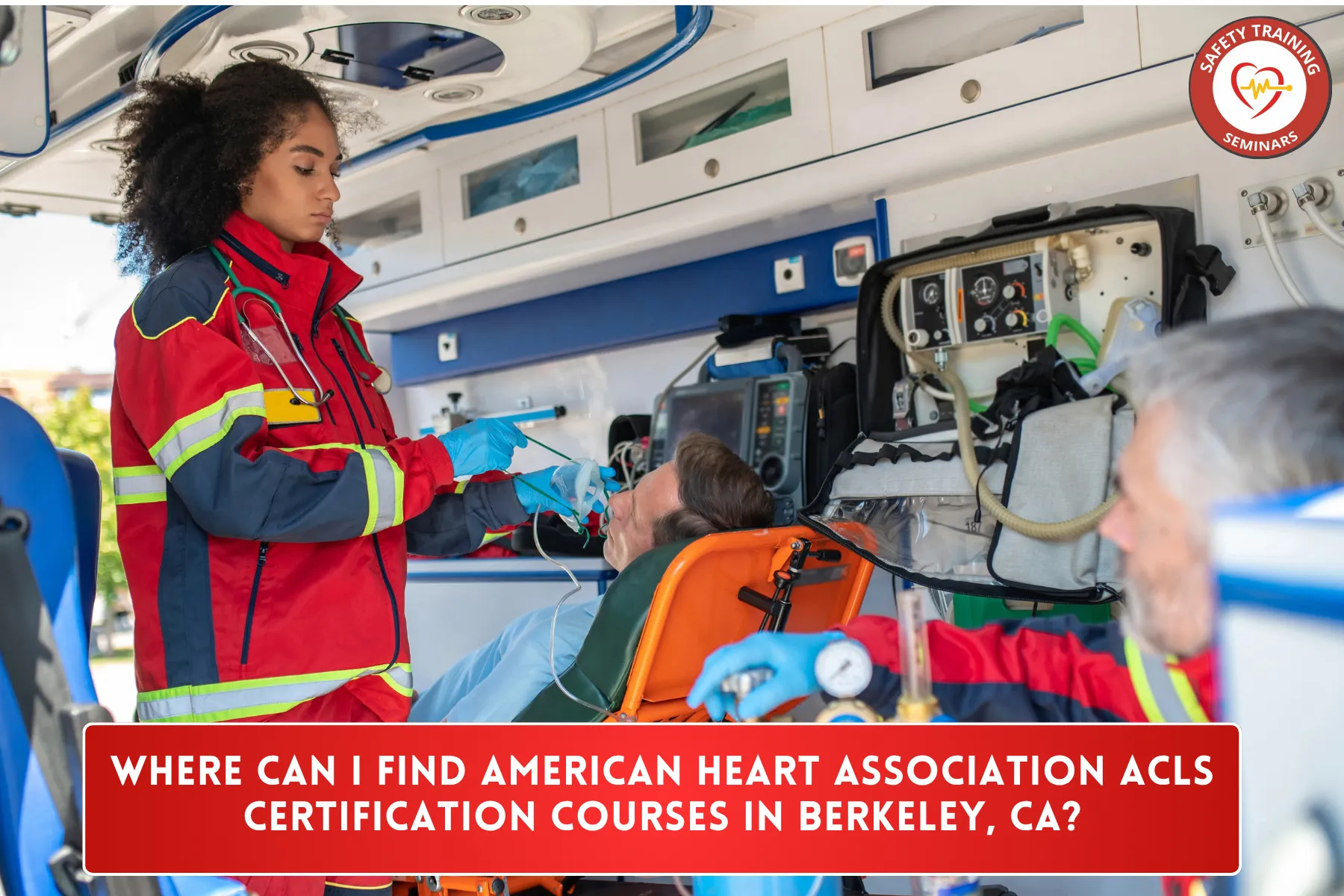
Advanced Cardiovascular Life Support, commonly called ACLS, builds on basic life support skills rather than replacing them. It is designed for healthcare professionals who direct or participate in the management of cardiac arrest, stroke, and other cardiopulmonary emergencies. The AHA lists professionals in areas such as emergency response, emergency medicine, critical care, intensive care, and surgery among the intended audience.
This difference explains why ACLS involves more than performing chest compressions or using an AED. The course brings BLS skills into more complex clinical situations where healthcare teams must assess the patient, communicate effectively, and respond to serious cardiovascular problems using advanced protocols.
A registered nurse working in a critical-care environment, for example, may need both BLS and ACLS. BLS demonstrates foundational resuscitation capability, while ACLS addresses the provider’s role during more advanced adult cardiovascular emergencies.
Healthcare professionals comparing East Bay training locations can also review BLS, ACLS, and PALS course options in San Leandro when evaluating where to complete a required course.
PALS Changes the Focus From Adult to Pediatric Emergencies
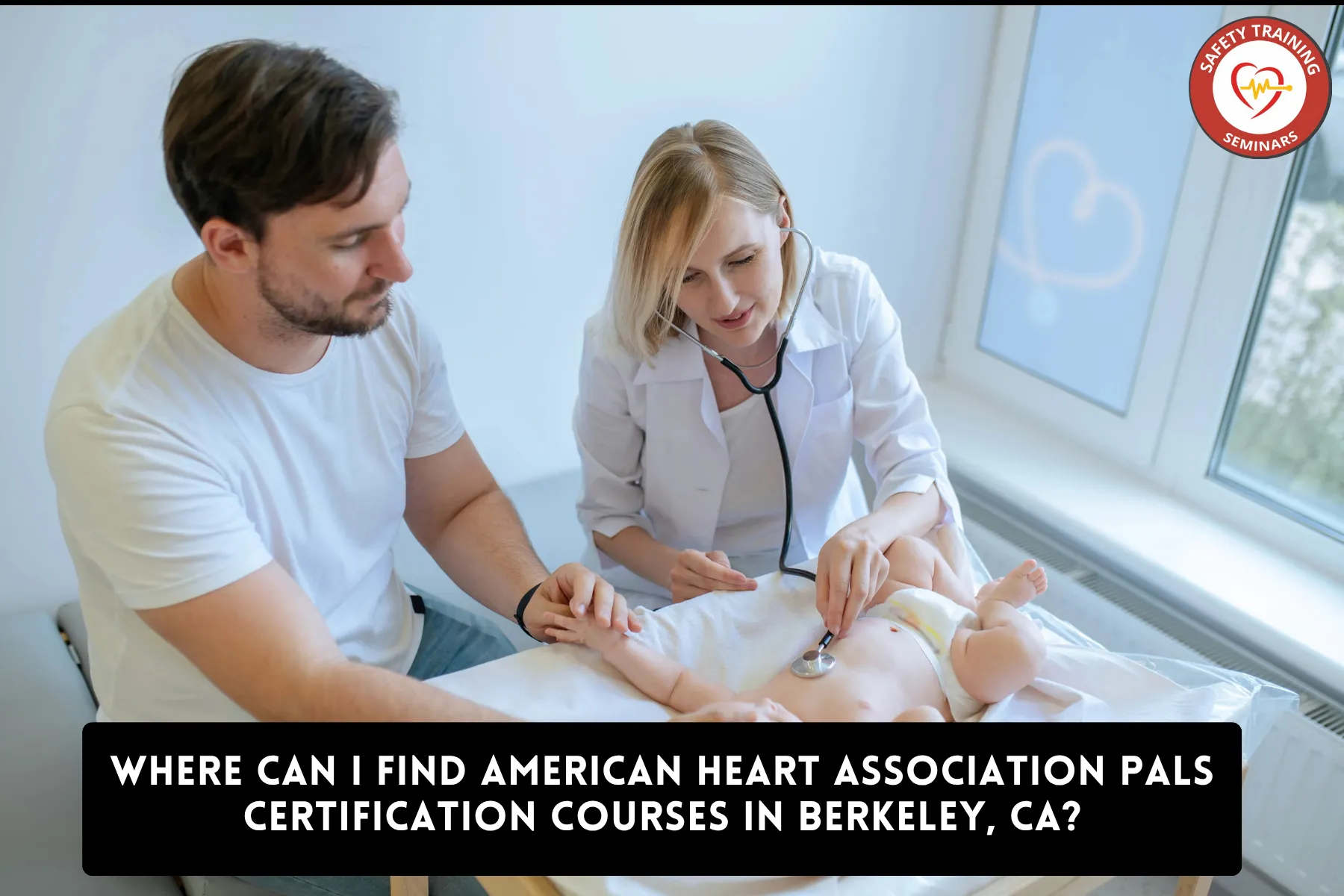
Pediatric Advanced Life Support, or PALS, is intended for healthcare professionals who may respond to emergencies involving infants and children. According to the AHA, the course is designed for providers in areas such as emergency response, emergency medicine, intensive care, and critical care where pediatric patients are encountered regularly.
That pediatric focus is the major difference between PALS and ACLS. Children are not simply smaller adult patients, so pediatric emergency assessment and response require training designed around pediatric physiology and clinical situations.
Someone working primarily with adult cardiac patients may have an ACLS requirement but no PALS requirement. A clinician working in pediatric emergency care may need PALS in addition to BLS. A provider whose job includes both adult and pediatric high-acuity patients may be asked to maintain all three.
For professionals farther south in the East Bay, PALS and other healthcare certification courses in Union City provide another location to compare when planning training.
Do You Need BLS, ACLS, PALS—or More Than One?
The course you need is determined mainly by your clinical responsibilities, not by which certification appears most advanced.
BLS is often the appropriate starting point for nurses, healthcare students, medical assistants, dental professionals, first responders, and others expected to provide basic resuscitation. ACLS is more relevant when a healthcare professional participates in managing serious adult cardiovascular emergencies. PALS is designed for providers who respond to serious emergencies in infants and children.
A practical way to think about the relationship is:
- BLS: foundational CPR, AED, ventilation, and team-based basic life support.
- ACLS: advanced management of adult cardiac and other cardiopulmonary emergencies, building on BLS skills.
- PALS: advanced assessment and response for pediatric emergencies involving infants and children.
Holding ACLS or PALS should not be treated as proof that a separate BLS requirement has automatically been satisfied. Employers and schools can set specific credential requirements, so check what must be current and which completion card they expect.
How Classroom and Blended Training Fit Into the Decision
Course level and course format are two separate decisions. The AHA currently provides BLS in classroom and blended-learning formats, and ACLS and PALS also have classroom and blended options. In blended learning, students complete an online learning component and then complete the required hands-on skills portion.
That distinction matters for someone searching for an “online BLS” or “online ACLS” course. Completing online material alone should not automatically be assumed to meet a requirement that includes hands-on skills testing. The AHA’s blended options specifically incorporate a practical skills component after online learning.
Before registering, check your employer or program’s wording. Confirm the course name, training organization, completion document, and whether a particular learning format is required.
People comparing additional East Bay locations can review healthcare certification courses in Castro Valley as another option.
Berkeley Healthcare Students and Professionals Should Match Training to Their Role
Berkeley has a mix of healthcare professionals, students entering clinical careers, first responders, dental professionals, caregivers, and others who may encounter different certification requirements. For someone new to healthcare training, the three acronyms can look like a progression where everyone eventually needs all three. That is not necessarily the case.
A student beginning a healthcare program may first be told to obtain BLS. Someone moving into an adult emergency or critical-care role may later require ACLS. A provider whose work regularly involves pediatric emergencies may be directed toward PALS.
The course requirement can also change when a person changes jobs or clinical departments. Instead of registering based on a previous role, check the current requirement each time you renew or begin a new position.
Those traveling from communities such as San Lorenzo or nearby East Bay areas may also compare BLS, ACLS, and PALS classes in San Lorenzo with their other training options.
Finding the Appropriate Training Option in Berkeley
Safety Training Seminars provides healthcare training options in Berkeley, including BLS, ACLS, and PALS. Its Berkeley Solano CPR Training Center is located at 1700 Solano Ave, Suite F, Berkeley, CA 94707. The provider’s current Berkeley course information also lists BLS, ACLS, and PALS among its medical-professional training options.
Before enrolling, start with the requirement rather than the course schedule. A healthcare student who needs BLS should compare BLS options. A clinician whose employer specifically requires ACLS or PALS should select that course rather than assuming another advanced certification will substitute for it.
This approach is particularly useful for people coordinating certification around school, clinical placement, credential renewal, or a new healthcare position because it reduces the chance of completing the wrong course.
Frequently Asked Questions About BLS, ACLS, and PALS in Berkeley
Is ACLS considered a replacement for BLS?
No. ACLS builds on BLS skills, but an ACLS completion card should not automatically be assumed to replace a separately required BLS credential. The AHA describes ACLS as advanced training that integrates strong BLS skills into cardiovascular emergency management. Confirm your employer’s requirements if both BLS and ACLS appear on your credentialing checklist.
Does every nurse in Berkeley need ACLS and PALS?
Not necessarily. Certification requirements depend on the nurse’s job, department, patient population, employer, and other professional requirements. A nurse working with high-acuity adult patients may be asked for ACLS, while a role involving pediatric emergencies may require PALS. Nurses should follow the specific credential list provided by their employer or clinical program.
Should a Berkeley nursing student take BLS before ACLS?
If the nursing program requests BLS, the student should begin with that requirement. The AHA specifically includes people enrolled in healthcare training programs among the intended audience for BLS. ACLS is intended for professionals involved in managing more advanced cardiovascular emergencies, so students should not enroll simply because it sounds like a higher-level course.
Is PALS only for pediatricians?
No. PALS is intended for a wider group of healthcare professionals who respond to emergencies involving infants and children. This can include personnel working in emergency response, emergency medicine, intensive care, and critical care settings. The deciding factor is the provider’s clinical responsibility for pediatric emergencies, not the job title alone.
Can I complete BLS, ACLS, or PALS entirely online?
AHA course options include classroom and blended formats, but blended learning includes both online coursework and a hands-on skills component. Requirements can differ by employer or program, so verify which delivery format and completion card your organization accepts before enrolling.
Choose the Certification That Matches Your Clinical Responsibility
The real difference between BLS, ACLS, and PALS is not simply difficulty. Each course serves a different purpose. BLS establishes core professional resuscitation skills, ACLS prepares appropriate healthcare providers for advanced adult cardiovascular emergencies, and PALS addresses advanced emergency care involving infants and children.
For healthcare professionals and students in Berkeley, CA, the most practical first step is to read the exact certification requirement provided by your employer, school, clinical placement, or licensing organization. Do not assume that the most advanced-sounding course is automatically the correct one.
Safety Training Seminars provides local healthcare training options for Berkeley learners. Once you know which credential you need, review the relevant course type, training format, location information, and registration details before enrolling.